Articles by Kathryn Senior on Extensive Information and Guidance on Good and Bad Bacteria
Friendly Bacteria in the Digestive System
Your gut hosts trillions of friendly bacteria that protect you from harmful infections and keep your digestive system working properly.
8th July 2026
What Is C Difficile?
C. difficile is a bacterium that lives harmlessly in your gut but can cause severe illness when antibiotics disrupt your intestinal bacteria.
2nd April 2026

What Health Conditions Do Klebsiella Bacteria Cause?
Klebsiella bacteria normally live in your gut harmlessly, but can cause serious infections in people with weakened immune systems, particularly lung disease.
31st January 2012
I Got Hot Tub Folliculitis!
A relaxing hot tub dip during a Lanzarote holiday left Karen with a painful skin infection she didn't see coming.
14th February 2011

Bacterial Vaginosis: An Embarrassing Problem
Bacterial vaginosis affects many women but goes unspoken due to embarrassment; here's what causes it and why it matters for your health.
11th February 2011
How Are Bacteria Classified?
Bacteria are classified by where they live and how they survive, with tests like the Gram stain helping scientists tell different types apart.
11th February 2011
What Is Cellulitis?
Cellulitis is a serious bacterial skin infection that causes redness, swelling and pain, starting from a break in the skin.
9th February 2011
Why Is Whooping Cough Becoming More Common?
Whooping cough cases are rising again despite past vaccination success, here's why the childhood illness is making a comeback.
7th February 2011

Using Microscopes to See Bacteria
Microscopes reveal bacteria that are invisible to the naked eye, from basic light microscopes to powerful electron microscopes.
7th February 2011
Do People Still Get the Plague?
Yes, plague still exists today in isolated pockets around the world, though it's extremely rare in modern Europe.
7th February 2011
Why Can't Antibiotics Cure the Common Cold?
Antibiotics kill bacteria, not viruses, which is why they can't treat colds or flu no matter how sick you feel.
31st January 2011
My Stomach Ulcer Was Due to a Bug: Case Study
Reg's stomach ulcer turned out to be caused by a bacteria, not stress as he first thought.
27th January 2009

I Nearly Died from Toxic Shock: Case Study
A woman's account of nearly dying from toxic shock syndrome at age 29 and how a routine contraceptive choice led to a life-threatening condition.
27th January 2009
Eye Witness Account: The Misery of Cholera
A Zimbabwean student describes the devastating human toll of the 2008 cholera outbreak, from collapsed water systems to overwhelming fear across communities.
27th January 2009

I Got Food Poisoning from Rice: Case Study
How Karen ended up in the hospital after eating contaminated rice at a hotel buffet party.
26th January 2009

Facts and Figures About Vaccines
Millions of children worldwide lack access to vaccines that could prevent deadly diseases, but widespread vaccination has already saved countless lives.
26th January 2009

Facts and Figures About MRSA
MRSA is a hard-to-treat bacterial infection that emerged in the 1960s and now poses a major threat in hospitals worldwide.
26th January 2009
My Mum Died of C Difficile: Case Study
A daughter shares how her mother died from C difficile after routine knee surgery, highlighting the dangers of this hospital infection.
23rd January 2009
People with Leprosy Still Live in Fear
Leprosy still affects thousands in India, but stigma and manipulated health data prevent people from getting help.
19th January 2009
What Are Antibiotic Resistant Bacteria?
Antibiotic resistant bacteria can survive antibiotics that should kill them, spreading rapidly through mutations and genetic exchange between bacterial cells.
16th December 2008

Dealing with Antibiotic Resistance
Antibiotic resistance is spreading globally through overuse in medicine and farming, requiring urgent action to prevent further resistance developing.
16th December 2008

Is It Possible to Develop New Antibiotics?
New antibiotics are being developed slowly, but scientists are still working on promising candidates to fight resistant bacteria.
16th December 2008

How Do Antibiotics Affect Friendly Gut Bacteria?
Antibiotics kill beneficial gut bacteria along with harmful ones, allowing dangerous pathogens like Candida to flourish and cause infections.
16th December 2008
What Is MRSA?
MRSA is a antibiotic-resistant bacteria strain that causes serious infections, especially in hospitals, and is difficult to treat.
16th December 2008

When Were Antibiotics Discovered?
Penicillin was discovered by accident in 1928, but didn't become widely used until 1940 when it revolutionised treatment for bacterial infections.
16th December 2008
Major Classes of Antibiotics
How different classes of antibiotics work and which bacteria they're effective against.
11th December 2008

How Antibiotics Work
Antibiotics kill bacteria or stop them from multiplying by disrupting their cell walls or blocking their growth processes.
11th December 2008
Which Bacterium Causes the Plague?
Yersinia pestis is the bacterium responsible for plague, a disease that killed millions across medieval Europe and beyond.
10th December 2008

Why Is Anthrax So Feared?
Anthrax spores can survive for centuries and infect humans through contaminated meat or direct contact with infected animals.
9th December 2008
What Is Psittacosis?
Psittacosis is a bacterial infection spread by infected birds to humans, causing pneumonia-like illness that can turn serious without treatment.
9th December 2008
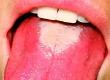
What Causes Scarlet Fever?
Scarlet fever is caused by a Group A Streptococcus bacteria that produces a sore throat, bright red tongue, and distinctive scarlet rash.
9th December 2008
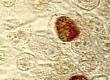
Trachoma and Blindness
A bacterial infection causes preventable blindness in millions of people worldwide, hitting hardest in the poorest countries.
9th December 2008
Is Tetanus the Same as Lock-jaw?
Tetanus and lockjaw are the same infection caused by bacteria that enter through wounds and trigger severe muscle contractions.
9th December 2008

What Is Bacterial Meningitis?
Bacterial meningitis is a serious infection of the membranes around your brain and spinal cord that requires immediate treatment with antibiotics.
5th December 2008

Whooping Cough; a Childhood Infection of the Past?
Whooping cough cases dropped from 100,000 yearly to just 150 in the UK thanks to childhood vaccination programs.
5th December 2008

Which Bacterium Causes Diphtheria?
Corynebacterium diphtheriae causes diphtheria, a serious bacterial infection that affects the throat and can be fatal without quick treatment.
5th December 2008
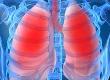
Which Bacteria Cause Pneumonia?
Several types of bacteria can cause pneumonia by filling your lungs with fluid and pus, making it hard to breathe.
5th December 2008
Salmonella Food Poisoning
What causes salmonella food poisoning, which foods carry the risk, and how to spot symptoms within 12 to 36 hours.
5th December 2008
How Does Legionnaires Disease Spread?
Legionnaires disease spreads through contaminated water droplets in air conditioning and heating systems that people breathe in.
5th December 2008

How Can People Catch Lyme Disease?
Lyme disease spreads through infected tick bites and causes vague symptoms like fatigue and headaches, often with a telltale rash.
5th December 2008

H Pylori and Stomach Ulcers
How H. pylori bacteria causes most stomach ulcers, overturning decades of mistaken beliefs about stress and diet.
5th December 2008

What Is Botulism?
Botulism is a rare but serious illness caused by a deadly toxin produced by bacteria, with three different types depending on how you're exposed.
4th December 2008
What Is Cholera?
Cholera is a bacterial infection that causes severe dehydration through extreme diarrhoea and can kill within hours without treatment.
4th December 2008
Q Fever: The World's Most Infectious Disease
A bacterial infection spread by farm animals and pets can cause severe flu-like illness from just a single bacterium.
2nd December 2008
Tuberculosis, Past, Present and Future
How tuberculosis has killed billions throughout history and why modern medicine's early promise to eradicate it hasn't fully materialised.
1st December 2008
Shigella in the Developing World
Shigella bacteria causes a million deaths yearly in developing countries, mostly among children through contaminated water and food.
1st December 2008

Which Bacterium Causes Typhus?
Rickettsia and other bacteria cause typhus, transmitted by lice, fleas, and mites, not to be confused with typhoid fever.
1st December 2008

Listeria and the Dangers in Pregnancy
Pregnant women face serious risks from listeria, a bacteria that thrives in soft cheeses and refrigerated foods without cooking.
27th November 2008
What Is Impetigo?
A common bacterial skin infection in children that spreads through contact and causes fluid-filled blisters that crust over.
27th November 2008
What Is Gangrene?
Gangrene is tissue death caused by poor blood supply or deep infection, and it comes in different types depending on where it occurs.
27th November 2008
What Is Scalded Baby Syndrome?
Scalded baby syndrome is a rare staphylococcal infection that makes a newborn's skin peel dramatically, though most babies recover well with treatment.
26th November 2008

What Is Toxic Shock Syndrome?
Toxic shock syndrome is a life-threatening infection that causes sudden high fever, organ failure and can develop from bacteria in the bloodstream.
26th November 2008
Flesh Eating Bacteria
Necrotizing fasciitis is a rare but serious skin infection caused by common bacteria that destroys tissue layers and kills about a third of those infected.
26th November 2008

E. Coli Food Poisoning
E. coli food poisoning happens when harmful bacterial strains contaminate food, often undercooked meat, and can cause intestinal bleeding and kidney damage.
26th November 2008
Do People Still Get Leprosy?
Leprosy still affects a quarter million people globally, including new cases appearing in the USA and Europe each year.
26th November 2008

What Is a Strep Throat?
Strep throat is a bacterial infection caused by Group A Streptococcus that triggers severe sore throat, swollen glands and difficulty swallowing.
24th November 2008

What Is Otitis Media?
A middle ear infection happens when bacteria or viruses cause fluid buildup behind the eardrum, leading to pain and fever.
24th November 2008

Friendly Bacteria on the Skin
Your skin hosts millions of helpful bacteria that protect you from harmful germs and infection.
24th November 2008

Bacteria, Boils and Spots
Spots form when excess skin oil blocks hair follicles and traps bacteria, causing infection and inflammation under the skin.
24th November 2008
Bacteria That Infect Plants
How bacterial infections damage plants and the ways bacteria enter through wounds and damage to leaves and stems.
24th November 2008

Bacteria That Fix Nitrogen
Nitrogen-fixing bacteria in legume roots convert air nitrogen into protein, boosting the nutritional value of beans, peas and other crops.
24th November 2008

Bacteria That Deal with Pollution
Some bacteria have evolved to break down toxic chemicals and pollutants, offering a natural way to clean contaminated environments.
24th November 2008
Do Bacteria Cause the Common Cold?
Viruses cause the common cold, but bacteria play a role in some symptoms and secondary infections that follow.
21st November 2008

What Are Antibiotics?
Antibiotics are drugs that kill bacteria by targeting their cell machinery, but they don't work against viruses and can disrupt your body's healthy bacteria.
20th November 2008

How Do Disinfectants and Antiseptics Work?
Disinfectants and antiseptics kill bacteria on contact by damaging cell walls and proteins, but work on different surfaces than antibiotics do.
20th November 2008

Bacteria That Recycle Nutrients
Soil bacteria break down dead organisms and recycle nitrogen and carbon back into the environment, preventing our planet from being buried in remains.
20th November 2008

Useful Bacteria in Food
Good bacteria in food can boost your digestive health and help fight off harmful pathogens naturally.
19th November 2008

Bacteria in the Home
Bacteria live everywhere in your home, but most are harmless, here's where the real risks are and how to protect yourself.
19th November 2008

Bacteria and Tooth Decay
How bacteria in your mouth turn sugar into acid that eats away at your teeth and causes decay.
18th November 2008

Bacteria and Sex
How bacteria spread during sex and what you need to know about common STDs like gonorrhea, chlamydia and syphilis.
18th November 2008
Identification of Bacteria
Bacteria are identified using microscopy and staining techniques to determine their shape and cell wall structure in lab cultures.
17th November 2008

Where Do Bacteria Live?
Bacteria thrive almost everywhere on Earth, from Arctic permafrost to deep-sea vents, soil and inside human bodies.
17th November 2008

Bacteria and Food Hygiene
Keep food below 5°C to stop bacteria from multiplying and prevent food poisoning from dangerous pathogens like E. coli and botulism.
17th November 2008

Bacteria and Evolution
How simple bacteria shaped the evolution of complex life on Earth through photosynthesis and environmental adaptation.
17th November 2008

How Many Types of Bacteria Are There?
Earth holds trillions of bacteria divided into just two main groups and seven distinct types based on their shape and cell walls.
17th November 2008

How and When Were Bacteria Discovered?
A Dutch cloth merchant accidentally discovered bacteria in pond water during the 1660s while grinding magnifying lenses for examining cloth.
14th November 2008
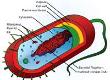
What Is Inside a Bacterial Cell?
Bacterial cells have a rigid cell wall, protective capsule, and structures like pili and flagella that help them survive and move.
14th November 2008
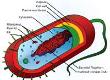
What Are Bacteria?
Single-celled bacteria live everywhere on Earth, from your body to extreme environments, and can be helpful or deadly.
13th November 2008

Bacillus Cereus, Cereals and Rice
Bacillus cereus bacteria hide in rice and cereals, survive cooking and refrigeration, and cause food poisoning if rice isn't cooled before storage.
13th November 2008