Bacteria & Antibiotics
Articles explaining how antibiotics work and the growing challenge of bacterial resistance. Topics include antibiotic discovery, resistant strains like MRSA, and future treatment possibilities.
Dealing with Antibiotic Resistance
Antibiotic resistance is spreading globally through overuse in medicine and farming, requiring urgent action to prevent further resistance developing.

How Antibiotics Work
Antibiotics kill bacteria or stop them from multiplying by disrupting their cell walls or blocking their growth processes.

How Do Antibiotics Affect Friendly Gut Bacteria?
Antibiotics kill beneficial gut bacteria along with harmful ones, allowing dangerous pathogens like Candida to flourish and cause infections.

Is It Possible to Develop New Antibiotics?
New antibiotics are being developed slowly, but scientists are still working on promising candidates to fight resistant bacteria.
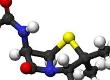
Major Classes of Antibiotics
How different classes of antibiotics work and which bacteria they're effective against.
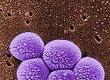
What Are Antibiotic Resistant Bacteria?
Antibiotic resistant bacteria can survive antibiotics that should kill them, spreading rapidly through mutations and genetic exchange between bacterial cells.

What Are Antibiotics?
Antibiotics are drugs that kill bacteria by targeting their cell machinery, but they don't work against viruses and can disrupt your body's healthy bacteria.
What Is C Difficile?
C. difficile is a bacterium that lives harmlessly in your gut but can cause severe illness when antibiotics disrupt your intestinal bacteria.
What Is MRSA?
MRSA is a antibiotic-resistant bacteria strain that causes serious infections, especially in hospitals, and is difficult to treat.

When Were Antibiotics Discovered?
Penicillin was discovered by accident in 1928, but didn't become widely used until 1940 when it revolutionised treatment for bacterial infections.
Why Can't Antibiotics Cure the Common Cold?
Antibiotics kill bacteria, not viruses, which is why they can't treat colds or flu no matter how sick you feel.