Bacteria & Antibiotics...
Below are our articles on the subject of Bacteria & Antibiotics. If you can't see what you are looking for our other categories are displayed on the left under 'Our Quick Links'...

Dealing With Antibiotic Resistance
Antibiotic resistance is a global phenomenon and needs several strategies to try to limit its further development and spread....

How Antibiotics Work
Antibiotics are either bactericidal (they kill bacterial cells directly) or they are bacteriostatic (they slow bacterial growth by preventing division). Individual…...

How Do Antibiotics Affect Friendly Gut Bacteria?
Antibiotics kill all bacteria in the body, affecting the friendly bacteria that live in the gut and on the skin, as well as the pathogenic bacteria causing the…...

Is it Possible to Develop New Antibiotics?
Some new antibiotics are in development, but the pace of research has slowed in recent years due to the relative unprofitability of antimicrobial drugs....
Major Classes of Antibiotics
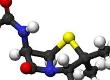
Antibiotics are divided into classes depending on their mode of action and what type of bacterial infections they treat. The major classes include penicillins,…...

What Are Antibiotic Resistant Bacteria?
Antibiotic resistant bacteria are strains of bacteria that can carry on growing and dividing normally in the presence of an antibiotic that should kill them, or…...

What Are Antibiotics?
Antibiotics are drugs used to treat bacterial infections. They act specifically on bacteria, although some are also able to kill parasites. Antibiotics are not…...

What is C Difficile?
C difficile bacteria live in the intestine of health adults and are normally harmless. It has become a major cause of hospital infections and diarrhoea in elderly…...
What is MRSA?
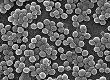
MRSA is short for methicillin-resistant Staphylococcus aureus, a strain of bacteria that commonly causes hospital infections. MRSA is resistant to methicillin,…...

When Were Antibiotics Discovered?
The earliest antibiotic to be made available for treating people was penicillin. This was discovered by Alexander Fleming in 1928 but was not purified and manufactured…...

Why Can't Antibiotics Cure the Common Cold?
Antibiotics are drugs that target bacteria: they have no effect on infections caused by viruses. This is a key point and explains why taking antibiotics for viral…...